Aquarium
Filled primarily with water for fish, aquatic frogs, or turtles, with little to no land area.
Education · Field guide
A practical introduction to habitat language, humidity, and responsible fogger use.
A language for living places
—arium is a Latin-derived suffix used for a place or container associated with a particular thing or purpose. Each type below recreates a different relationship between land, water, plants, and living inhabitants.
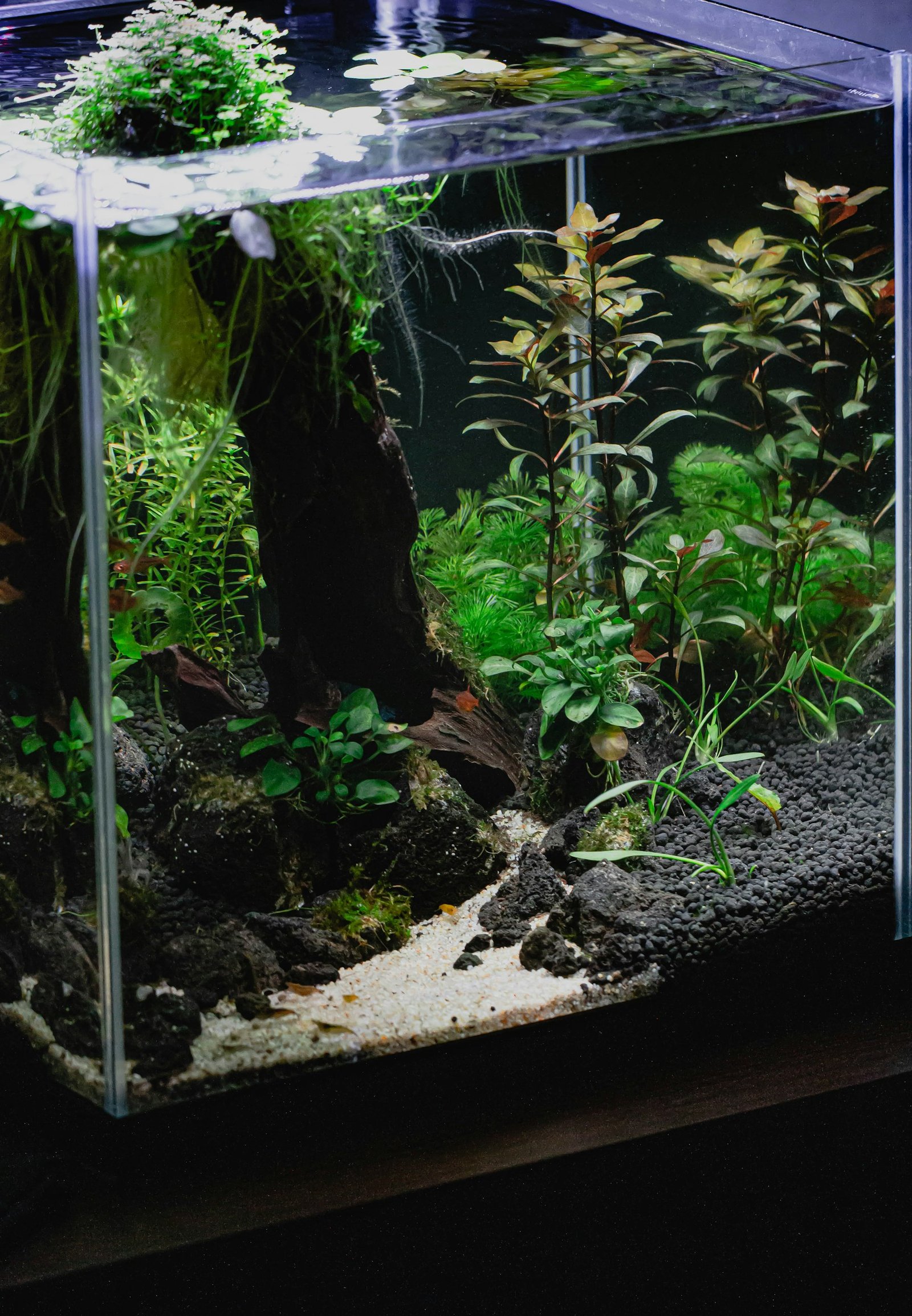
Aquatic environments are shaped from the waterline down.
Filled primarily with water for fish, aquatic frogs, or turtles, with little to no land area.
In this guide, a terrestrial plant display—often inspired by desert or savanna environments—without aquatic features.
Blends land and water to recreate a swamp, jungle, or rainforest edge with a pond or stream.
Pairs a deep-water section with a planted bank, allowing marginal plants to keep their roots in water and their leaves above it.
Built specifically to house and display insects or other small invertebrates.
A specialized ant habitat used to observe colony structure, tunnels, and behavior.
Designed to provide the humidity, airflow, light, and temperature tropical orchids need.
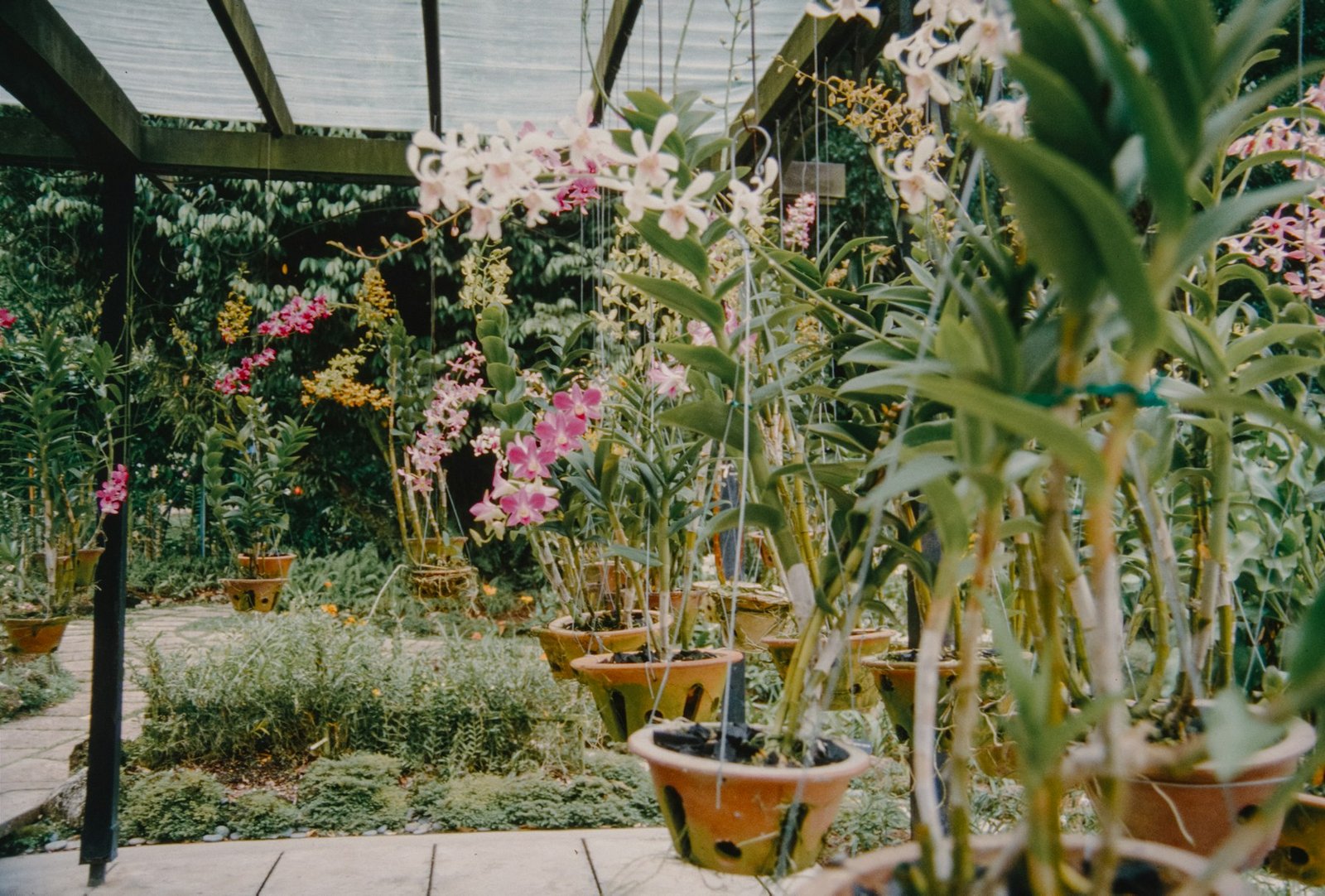
Orchidariums balance moisture with consistent airflow.
Humidity with intention
High-humidity tropical species may benefit from carefully controlled fogging. Arid and desert species generally should not be exposed to persistent fog. The target humidity—not the device—is what matters.
Tropical & rainforest habitats
These species come from environments with naturally humid air. Fogging may be useful, but it should be paired with correct temperatures, ventilation, and natural drying periods.
Veiled and panther chameleons may benefit from controlled nighttime humidity as one part of a complete hydration plan.
These geckos need measured humidity cycles, including a higher-humidity period followed by time for the enclosure to dry.
Tropical canopy conditions can include elevated humidity, but fresh airflow remains essential.
Young red-footed tortoises need species-appropriate humidity to support healthy shell growth; the enclosure should never remain waterlogged.
These are amphibians rather than reptiles, but many require similarly humid tropical environments with careful ventilation.
Arid & lower-humidity habitats
These animals come from deserts, shrublands, or semi-arid steppes. Persistently damp air can move their enclosure far outside healthy conditions.
Keep ambient humidity relatively low—generally around 30%–40%—and provide a small humid hide to support shedding.
Their dry Australian habitat calls for low ambient humidity; excessive moisture can contribute to health problems.
These steppe-dwelling tortoises generally do poorly in persistently damp or foggy conditions.
These desert lizards require high basking temperatures and very low ambient humidity.
They commonly do well at appropriate room-level humidity and usually do not need a fogger system.
Continue learning: Review detailed reptile housing guidance from the Merck Veterinary Manual ↗ and leopard gecko care guidance from the RSPCA ↗.
One habitat at a time
Tell us who lives in your environment and what you want to improve. We’ll help you identify a thoughtful next step.
Ask Vivarium